
Fashion Photography vs. Photo Editing: Understanding the Differences and Synergy
The role of Fashion Photography
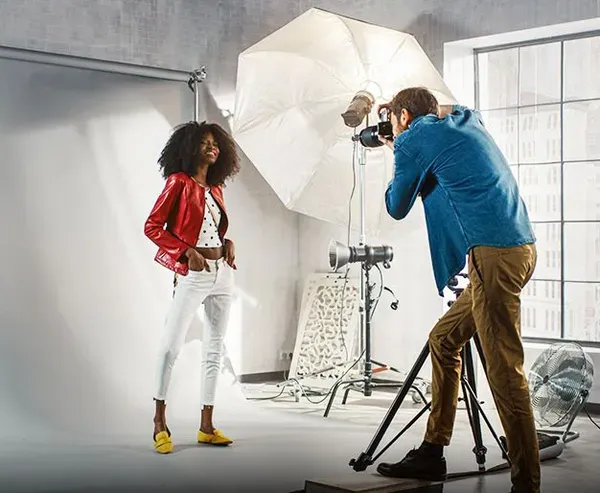
Fashion photography is all about capturing the essence of fashion through the lens of a camera. It involves composing shots, setting up lighting, choosing the right angles, and capturing the perfect moment that showcases a garment or look. The photographer’s skill set lies in their ability to frame images that tell a story, highlight the beauty of the clothes, and evoke the desired emotions. While photographers focus on technical aspects such as exposure, depth of field, and composition, their job is to bring the subject to life. Fashion photography sets the foundation for any photo project.
Get Free Trial
For those looking for clean, sharp visuals right from the start, clipping path services are often used to isolate objects from their background, which is a key part of preparing the raw material for editing.
The role of Fashion Photo Editing
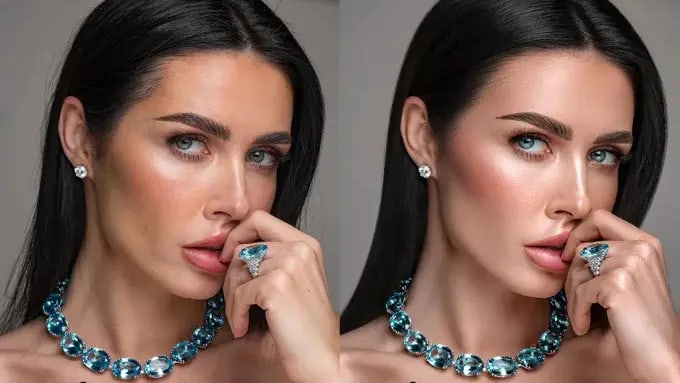
Fashion photo editing, on the other hand, comes in after the photography stage. Its primary job is to enhance and perfect the image, often going beyond what the camera could capture. Editing may include adjusting colors, improving lighting, removing distractions, retouching skin, and even altering elements of the background or fabric. It’s about creating the final polished look that aligns with the artistic vision, whether it’s for an ad campaign, editorial spread, or social media. While fashion photography captures the raw material, photo editing fine-tunes it into the final, flawless image.
For more intricate edits, such as removing wrinkles in clothing or improving textures, high-end retouching is often the go-to service.
How Fashion Photography and Photo Editing Work Together
While fashion photography and photo editing may seem like separate tasks, they are deeply interconnected. Photography sets the scene and provides the raw material, but editing brings out its full potential. A photograph may be technically perfect, but without editing, it might lack the vibrancy or mood needed to connect with the audience. On the flip side, even a less-than-perfect shot can be transformed into something extraordinary with the right editing.
When it comes to e-commerce photography, precise and consistent edits like ghost mannequin services are essential to showcase apparel perfectly. A harmonious collaboration between photography and editing leads to the kind of visuals that make fashion campaigns pop.
Key Differences Between Fashion Photography and Photo Editing
One of the main differences between fashion photography and photo editing is the focus of each process. Photography is about capturing moments, angles, and details in real-time, relying on technical skills to get the shot right. Editing, however, is about manipulation and enhancement. While photography freezes a moment, editing alters and refines it. The process of photography requires a physical setup, while editing involves digital tools and software. Photography can be considered the groundwork, while editing is the polish that makes the final product shine.
For those who need expert editing to match the meticulous work of their photographers, working with a professional editing service like ClippAsia can ensure seamless results.
Why Both Are Crucial in Fashion Imagery
Both fashion photography and photo editing are essential components of high-quality fashion imagery. Without strong photography, editing has little to work with. And without skilled editing, even the best photos might not reach their full potential. The collaboration between these two areas allows brands and creators to communicate their message, enhance their visuals, and deliver polished imagery that stands out in a competitive market. Fashion photography brings the vision to life, and photo editing makes sure that vision is executed to perfection.
The Impact of Fashion Photography vs. Photo Editing on Brand Identity
Fashion photography and photo editing both play a crucial role in shaping a brand's identity. A fashion photographer’s job is to capture the essence of a brand’s style and message. The photographer must align the shoot with the brand's visual language—whether it’s minimalist, bold, edgy, or romantic. However, the post-production phase through photo editing elevates the imagery, ensuring that the photos stay true to the brand’s voice. In essence, photography sets the stage, and editing fine-tunes it, ensuring the image conveys the brand’s personality consistently across various platforms.
To ensure a cohesive and professional look, many fashion brands rely on services like high-end retouching and clipping path services, which help to refine details and enhance the brand’s visual identity.
The Cost of Skipping Either: Photography or Editing
It’s tempting to think that focusing on one area—either photography or editing—can save time or money. However, bypassing either one can result in missed opportunities. Skipping quality photography means sacrificing the raw potential of an image, making it harder for editors to work with. On the other hand, bypassing the editing process means leaving images with imperfections that may not align with industry standards or brand expectations.
Both photography and editing are intertwined. When both elements are done right, the results are far superior to when one is neglected. For instance, using services like ghost mannequin for fashion product images can enhance the final output, ensuring consistency and attention to detail.
Technology and Tools in Fashion Photography vs. Photo Editing
Fashion photographers rely heavily on physical tools such as cameras, lenses, and lighting setups to capture the perfect shot. Their expertise lies in manipulating these tools in real time to capture the right moment, angle, and mood. Photo editors, on the other hand, use digital tools like Adobe Photoshop, Lightroom, and other editing software to transform the captured images.
While photography tools require physical interaction, editing tools allow for much more detailed, precise adjustments in a controlled digital environment. Both fields have evolved with technology, but while photography equipment remains expensive and technical, photo editing software continues to grow more powerful and accessible to creatives at all levels.
To maximize results, many photographers and brands turn to expert photo editing services like ClippAsia to handle large volumes of images and ensure the final output is top-tier.
The Challenges of Both Photography and Photo Editing in Fashion
Both fashion photography and photo editing come with their own set of challenges. Fashion photographers often face issues like unpredictable lighting, tight deadlines, and managing diverse models and settings. They must adapt quickly and think on their feet. Photo editors, on the other hand, must deal with the complexity of editing large volumes of images while preserving quality, style, and brand consistency. Balancing speed with perfection is a constant struggle in both fields.
When it comes to fashion photography and editing, professionals must not only have the technical skills but also the creative intuition to know when to stop and when to enhance further. Services like e-commerce photo editing can help streamline the editing process while ensuring the visual message remains clear and impactful.
In the fashion industry, fashion photography and photo editing are symbiotic. One cannot thrive without the other. Photography captures the vision and sets the foundation for the story, but photo editing brings the image to life, allowing for greater creativity and precision. Together, they ensure that the final image not only communicates the brand’s message but also stands out in a crowded marketplace. Rather than viewing them as separate tasks, it’s important to recognize that these two disciplines must work hand in hand for optimal results in the highly competitive fashion world.